A quiet garage door is greater than a nicety for early birds and graveyard shift employees. It signifies a system in equilibrium, where the hardware, springtimes, opener, and door all relocate the way they were created to. If the objective is a soft hum as opposed to a rattle and clang, silent close modern technology sits at the facility of that result. The expression packages motor control, drive systems, and resonance administration right into one guarantee, and the most effective residential garage door openers now deliver it consistently.
I have spent years defining, setting up, and servicing Residential Garage Door Openers in communities where bed rooms sit directly over the garage. The difference in between a noisy chain drive from 2008 and a contemporary belt-driven DC device with soft start - soft stop is all the time. Families observe. Pet dogs observe. Neighbors observe less, which is the point.
What silent close really means
Quiet close modern technology describes the opener's capability to begin and stop without snagging the door, to control speed up much more precisely throughout the full traveling, and to prevent transferring resonance right into the framework. That occurs when 5 pieces collaborate: a DC electric motor, a belt or straight drive, an inflexible rail with vibration seclusion factors, appropriately balanced springs, and low-friction door equipment like nylon rollers and well-aligned joints. Miss any type of among those and the system obtains louder, in some cases a little, often a lot.
Most older openers utilized air conditioning motors that performed at one rate. When you hit the button, the motor leapt to that speed, which tugged the chain. The chain tugged a door that was usually out of balance. The opener needed to muscle mass through sticking points, so you listened to the electric motor buzz, the chain slap, and the door panels creak. Modern DC motors, by contrast, are managed by a board that ramps power in and out. That soft beginning eases the cart right into activity, the soft stop reduces it near the flooring and the header, and the belt takes in micro-shocks instead of transferring them to the ceiling joists.
If you determine with a smartphone application a couple of feet from the opener, a regular belt-driven DC unit registers around 45 to 55 dB during traveling. Chain drives of similar capability often land in between 60 and 70 dB. That 10 to 15 dB space is not subtle in a silent home at 6 a.m.
Drive kinds compared via the lens of noise
Chain drive has its place, especially for removed garages or heavy carriage-style Residential Garage Doors where budget is tight. The steel chain is sturdy and inexpensive, yet it rings like a little conveyor and requires regular lubrication. It can be tuned to behave, however it seldom wins the silent contest.
Belt drive uses a steel-reinforced polyurethane or rubber belt. The belt slides, so the sound account is even more of a reduced whispering. Pair a belt drive with a DC motor and an inflexible, one-piece rail, and you go into the silent close classification promptly, also on 16 by 7 insulated doors.
Direct drive flips the arrangement so the motor itself relocates along the rail, lugging the trolley with it. Fewer relocating components means less resources of rattle. These are whisper-quiet when installed easily, and they do well with lighter Residential Garage Doors.
Wall-mount or jackshaft openers sit to the side of the door and rotate the torsion tube straight. Without any overhead rail, you get rid of a large source of resonance. Properly installed, a wall-mount can be the quietest of all, particularly with protected steel doors and newly serviced torsion bearings. The catch, if you have a low-headroom setup or non-standard springtime arrangement, is geometry and price. Occasionally you can not mount one without reworking the spring line. When space and budget enable, they execute beautifully.
The DC electric motor advantage
A quiet door begins with an electric motor that listens. DC electric motors allow variable rate control, so you are not stuck to a solitary on-off ramp that containers the door right into movement. A lot of silent close Residential Garage Door Openers utilize DC electric motors ranked with "comparable horsepower" or Newtons. The numbers vary by supplier, however a typical sweet place for basic two-car doors is the 3/4 HP equivalent. If your door is additional large, added tall, or wood overlay with real heft, tip up to a more powerful system as opposed to asking a smaller electric motor to go for its side. An electric motor that is straining obtains louder gradually and reduces the life of the gear train.
Soft start - soft quit is one of the most noticeable benefit of DC, yet the much less evident one is torque noticing. The control panel can respond to added resistance, backing off or stopping briefly to protect the door and the opener. Correctly calibrated, that maintains a quiet system peaceful, because it protects against repeated knocking into the flooring or header.
Battery backup additionally tends to ride together with DC layouts. When a storm hits and the power blinks, you can still open the Garage Door efficiently. Battery backups do not transform noise straight, but they keep you from requiring the door by hand, which typically causes a noisy imbalance later.
The covert fifty percent of silent: the door and hardware
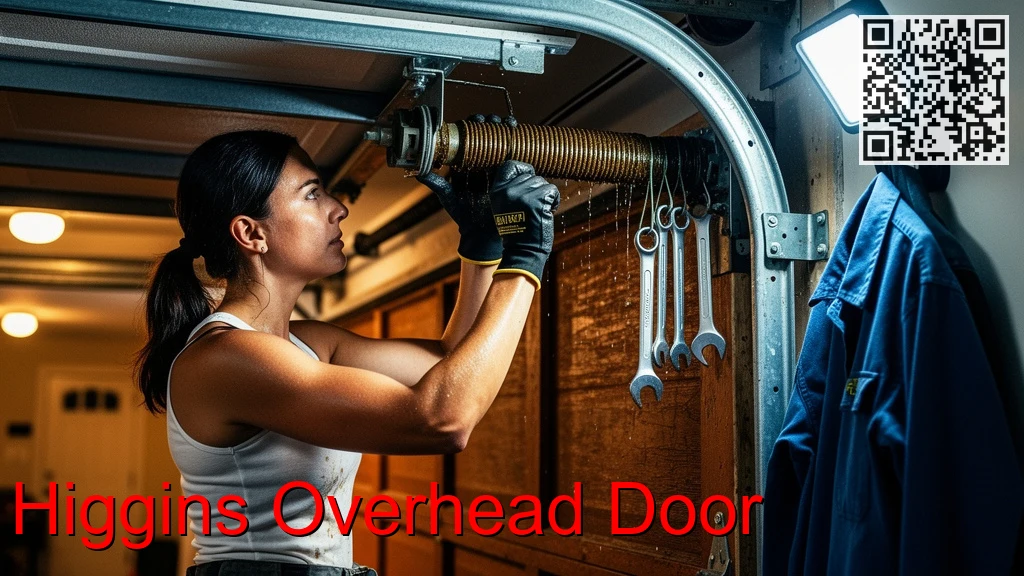
You can not bolt a quiet opener to a loud, out-of-balance door and expect a miracle. When I obtain an ask for Garage Door Repair Work Near Me and the home owner states the opener is "howling," I start by drawing the release and moving the door by hand. A properly well balanced door, with torsion springs tensioned to match the door's weight, need to drift when you raise it to waist elevation. If it bangs shut or rockets up, the springtimes are incorrect. Springs are precision components and under heavy stress, so this is not a do it yourself task. Hire a qualified Garage Door Service service technician. Balance first, after that check the opener.
Rollers matter nearly as high as springs. Nylon rollers with sealed bearings roll quietly and track directly. Changing from old steel rollers to top quality nylon can drop regarded sound by a significant margin, sometimes as high as half the subjective loudness in the home above the garage. Hinges with used knuckles rattle; replace them. Track alignment that pinches or bows the rollers produces squeaks and scratches that no opener can conceal. A couple of millimeters of modification along the jamb braces can silence a whole chorus of metallic sounds.
Door insulation plays a role, not purely for temperature level. A protected steel sandwich door damps panel vibration. Uninsulated frying pan doors behave like drums. If you knock on the inside and it booms, your opener will make it vibrate under lots. When homeowners allocate a brand-new Residential Garage Door Installation and quiet is high up on the listing, I suggest an R-9 to R-18 protected door. It tightens up the whole system.
Real-world instances from the field
In a Schererville split-level with a room over the garage, the household had a 16 by 7 frying pan door and a 15-year-old chain drive. The opener was not stopping working, yet the noise moved right into the flooring joists like a tuning fork. We kept the door for another period to assist with spending plan, exchanged to a belt-driven DC unit with a single-piece rail, set up nylon rollers, and tuned the tracks and springtimes. The children maintained sleeping via early departures the following morning. They later on upgraded the door to shielded steel, which took the noise down one more notch.
In Valparaiso, a high 8 by 10 door in an attached garage had a suitable belt drive but a damaged spring and ovaled hinge holes. As soon as the springs were changed and the joints tightened up, the "loud opener" turned out to be silent all along. The house owner assumed he required a new machine. What he needed was Garage Door Repair service Valparaiso from someone that listens to the door initially, the opener second.
In Crown Factor, a customer selected a wall-mount opener because of a vaulted ceiling and wanted one of the most very discreet procedure feasible. The door was a hefty cedar-faced design. We added a facility strut to tense the top area, upgraded end bearings on the torsion tube, and set a moderate open speed with a gentle close account. That system is just one of the quietest I have actually ever listened to despite the door's mass. The jackshaft maintained vibration off the ceiling entirely.
How installation details form the sound you hear
Quiet close innovation radiates when the information are right. An opener rail that can be found in multiple bolted areas is convenient for delivery, however every joint is a prospective clack or flex factor. On larger doors, I like a one-piece rail. The difference can be a few decibels in the garage and a lot more in the room over, because bending rails send low-frequency vibration into the structure.
Mounting equipment matters as well. If the opener's header brace is screwed to drywall or a solitary slim board, or if the ceiling bands are short and rigid, the motor's tiny vibrations turn into structure-borne sound. Longer angle iron, rubber or neoprene isolation washing machines, and delaying right into strong framing all reduce that transfer. On a recent Garage Door Fixing Hobart phone call, we cut the sound sharply by replacing small perforated strap with stiff angle iron hung from joists with seclusion pads. No new opener required.
The cart and door arm geometry additionally play a part. If you set the arm too long or also brief, the opener fights the door at the beginning and finish of travel. Rearrange to develop an angle that stays clear of binding, and you eliminate a common smack that many property owners error for a motor problem.
Smart attributes that serve a silent life
Most contemporary Residential Garage Door Openers consist of smart connectivity. That does not transform the physics of sound, however it helps with a calmer regimen. If you can shut the door from your phone when you neglect after a late grocery store run, you avoid the 11 p.m. Open-close cycle that wakes your home. Timer-to-close, motion-activated lights, and quiet alarm system chimes that verify a command all contribute to tranquil operation. When we finish a Garage Door Installation, we go through these features since using them well reduces unneeded cycles, which lowers wear and keeps the system quieter, longer.
Some smart systems additionally turn on the opener lights prior to movement beginnings. A lit garage indicates less stubbed toes and dropped products, which is its own sort of quiet.
The property owner's quieting checklist
- Listen with the opener disengaged, moving the door by hand. If it binds or will not drift, timetable Garage Door Solution to deal with springtime equilibrium and track alignment. Upgrade high-friction components: nylon rollers with covered bearings, fresh center and end bearings on torsion systems, and any kind of sloppy hinges. Isolate vibration throughout setup: one-piece rail when feasible, rubber washing machines at placing points, and protected angle iron right into strong framing. Choose a belt-driven DC opener or a wall-mount when geometry and budget allow, and suit motor stamina to door weight and size. Lubricate the best places twice a year with a silicone or lithium-based product: rollers, hinges, and springs. Skip the opener rail if it has a belt; the belt does not want grease.
These 5 actions resolve the noise trouble in nine cases out of ten. The tenth is normally a door panel resonance problem that benefits from an insulated replacement or added struts.
When silent close goes wrong
Even good systems can obtain loud. A soft start - soft stop unit that knocks at the end of travel likely has travel limitations set also boldy, or the floor seal altered thickness throughout a weatherstrip substitute. I have actually seen a fresh, taller rubber bottom seal get the floor ahead of time and confuse the force calibration. Resetting limits and re-running a force learn cycle restores the down pillow and the silent close behavior.
Another wrongdoer is a torn belt or a loose belt tensioner. Belts stretch slightly in the initial few months. If you listen to balanced slapping or see the cart think twice after that stumble, check belt tension as defined in the manual. A quarter inch of deflection at midspan prevails, but follow your model's guidance.
For wall-mount systems, a chirp or work commonly traces to the torsion tube's end bearing plates. When those bearings dry or wear, the tube sings. A Garage Door Repair Munster or Garage Door Fixing Schererville service technician can switch bearings in under an hour most of the times, and the audio vanishes.
Safety remains the line you must not cross
I encourage house owners to tidy tracks, lube rollers, and examination photo-eyes. I draw a tough line at springtime work. Torsion springs bring enough stored power to break bones. If the door feels hefty or uneven, or if the cords on the drums look torn, call a pro. That applies whether you remain in Cedar Lake, Chesterton, Crown Point, Hammond, Hobart, Lake Terminal, Merrillville, Portage, St. John, Valparaiso, or Whiting. Any respectable store handling Garage Door Repair service Cedar Lake or Garage Door Repair work Whiting will state the very same. A quiet door is a risk-free door, and safety begins with appropriate springs and cables.
What to expect during a professional visit
An excellent technician will ask about the sounds you see. Do they occur at the beginning, mid-travel, or near the floor? They will certainly then decouple the opener, review equilibrium, and cycle the door by hand. Expect dimensions of spring cable, coil matter, and inside size if replacement is required. Rollers get checked for broken tires or confiscated bearings. Joints get checked for play. Track plumb and alignment obtain corrected. Just after the door passes the hand-operated test must the opener be changed or replaced.
If you ask for a brand-new opener, the installer must verify headroom, backroom, and side space to choose whether an overhanging belt drive or a wall-mount makes even more feeling. They will certainly choose a rail size that matches your door elevation, install right into structural framing, and program travel limits and force. A high quality set up consists of security reversal examinations with a 2 by 4 laid level and a photo-eye obstruction examination. It also includes a mild speed profile that fulfills quiet close expectations without compromising safety.
Costs, worth, and how to choose
Quiet does not have to break a spending plan, however quality matters. In most markets, a belt-driven DC opener with incorporated LED lights and Wi-Fi runs in the range of a couple of hundred dollars for the device and a number of hundred for specialist installment, depending upon rail kind, ceiling height, and whether you include Residential Garage Door Add-on like a keypad or additional remotes. Wall-mount systems cost a lot more, and in some cases call for added parts like a torsion tube lock or upgraded bearings, which includes in labor.
If your current door equipment is weary, consider packing a roller upgrade and a complete tune-up with the opener mount. The consolidated effect commonly feels like a new Garage Door without purchasing one. For households intending a full Residential Garage Door Installation in the next year, it is still sensible to mount the opener currently, after that transfer or remount it when the brand-new door shows up. A quiet opener continues to be quiet on a quiet door, and functional rails and installs can be reused with small adjustments.
A brief buyer's snapshot
- Belt-driven DC openers deliver the very best quiet-to-cost proportion for a lot of connected garages. Wall-mount openers are the quietest option when torsion arrangement and side clearance allow. Nylon rollers, well balanced springs, and specific track positioning make or break the result. One-piece rails and resonance seclusion at mounts minimize structure-borne noise upstairs. Smart attributes aid your regimen, which indirectly preserves a quieter system over time.
Use this as a starting point rather than a rigid dish. Houses differ. A brick ranch in Merrillville responds in different ways than a two-story in St. John with rooms over the garage. Listen to your home as much as the hardware.
Locally based solution matters
Searches for Garage Door Companies Near Me will emerge dozens of alternatives, however the best companion steps twice and turns a wrench as soon as. In Lake Station or Hammond, winter cold can thicken lubes and stiffen lower seals, a small point that can boost opener pressure and noise up until spring. In Portage, near the lake, salt can accelerate roller deterioration. In Chesterton and Hobart, homes with perk rooms over the garage require extra attention to vibration isolation. Shops that do normal Garage Door Repair work Chesterton, Garage Door Repair Service Hammond, and Garage Door Fixing Hobart know these patterns and stock the best parts.
If you reside in Crown Factor, Schererville, or Munster and have an older removed garage, a chain drive might still make good sense due to the fact that its sound does not go into the home. That claimed, also detached garages gain from quiet openers if the structure works as a workshop. Conversation-level noise implies you can speak on the phone while the door relocations without shouting.
Maintenance rhythm that maintains the peace
Quiet close is not a one-and-done setup. It is a state you keep. Twice a year, offer the system fifteen mins. Wipe the track interiors to remove grit. Apply a percentage of garage door lube to hinge knuckles and roller bearings, simply enough to damp the surfaces without trickling. Never ever splash the track itself; the rollers want a clean steel network. Examine the safety turnaround by placing a board under the door and validating it turns around within two seconds of get in touch with. Inspect photo-eye placement with the integrated indicators, and delicately tidy the lenses. Tighten up any kind of loosened lag screws at the opener's placing points.
Every number of years, or any time the door begins to appear different, routine Garage Door Solution. A pro will certainly retension springs if required, replace worn rollers before they fall short, and garage door repairs update opener firmware where appropriate. This rhythm protects against the slow, slipping increase in sound that most property owners approve up until it ends up being a shout.
The persuasive situation for quiet
If you are questioning whether quiet close technology is worth it, think about 3 lenses. First, quality of life. The distinction in between a thump and a hush when a teen comes home late is the distinction in between waking up and surrendering. Second, devices longevity. Smooth ramps and balanced pressure reduce mechanical shock, which lengthens the life of equipments, belts, and hinges. Third, home worth. Purchasers walking through a showing notice a smooth, silent Garage Door more than they realize. It signals a home took care of in the details.
I have yet to fulfill a property owner that wanted their garage door were louder. The path to silent is clear: balance the door, minimize rubbing, isolate resonance, and pick an opener built for soft start - soft stop. Whether you call for Garage Door Repair Service Merrillville after a cable fray, schedule Garage Door Repair Portage to deal with an out-of-square track, or plan a complete Residential Garage Door Setup with a contemporary belt drive, commit to the quiet criterion and make every open and close part of a calmer home.
Higgins Overhead Door 1305 Erie Ct, Crown Point, IN 46307 +12196632231
 Ask ChatGPT
 Ask Grok
 Ask Perplexity
 Ask Claude
 Ask Google AI
 Ask You